دسته: blog

  • tilapia feed

    tilapia feed

    Daryadaneh Tilapia Feed: A Suitable Nutrition for Rapid Growth and Fish Health

    Daryadaneh Company, one of the largest specialized aquafeed producers in western Iran, manufactures a wide range of feeds for various fish species, including tilapia. Daryadaneh’s tilapia feed is formulated precisely using high-quality raw materials to fully meet the nutritional needs of this fish, ensuring rapid growth, good health, and high-quality flesh.

    Why Choose Daryadaneh Tilapia Feed?

    • Specialized formulation: Daryadaneh’s tilapia feeds are formulated considering different growth stages and climatic conditions to deliver optimal performance.

    • High-quality ingredients: The company uses fresh, quality raw materials like fish meal, soy, corn, and other nutrients to produce feed with high nutritional value.

    • Complete nutrition: The feeds contain all essential vitamins, minerals, and amino acids required for tilapia growth and health.

    • Improved feed conversion ratio: Using these feeds enhances feed conversion efficiency, lowering production costs.

    • Enhanced meat quality: Daryadaneh feeds improve the flavor, color, and texture of tilapia meat.

    • Boosted immune system: These feeds strengthen the fish’s immune system and increase disease resistance.

    Benefits of Using Daryadaneh Tilapia Feed

    • Faster growth: Fish fed with Daryadaneh feed grow faster and reach market weight sooner.

    • Reduced mortality: High-quality feed decreases mortality rates in fish farms.

    • Increased production: Producers can achieve higher and better-quality yields.

    • Lower production costs: Better feed conversion and reduced losses cut down overall expenses.

    Types of Daryadaneh Tilapia Feed

    Daryadaneh offers different types of tilapia feed for various growth stages, including:

    • Larval feed: For newly hatched tilapia larvae

    • Fingerling feed: For young tilapia in early growth stages

    • Broodstock feed: For breeding fish to improve egg quality

    • Grow-out feed: For tilapia in the growth phase reaching market size

    Expert Consultation

    Daryadaneh’s experts provide specialized advice to fish farmers to help select the best feed types for their farms. For more information and free consultation, contact Daryadaneh directly.

    Note: The information here is based on general details about Daryadaneh’s products. For up-to-date and detailed info, please contact the company.


    Tilapia Systematics and Feeding Method

    • Tilapia Systematics

    Tilapia (genus Tilapia) is a freshwater fish belonging to the family Cichlidae. Due to their rapid growth, adaptability, and disease resistance, tilapias are among the most important cultured fish worldwide.

    Scientific classification:

    • Kingdom: Animalia

    • Phylum: Chordata

    • Class: Pisces

    • Subclass: Osteichthyes (bony fish)

    • Infraclass: Actinopterygii (ray-finned fishes)

    • Order: Perciformes

    • Family: Cichlidae

    • Genus: Tilapia

    Important cultured species:

    • Nile tilapia (Oreochromis niloticus)

    • Mozambique tilapia (Oreochromis mossambicus)

    • Blue tilapia (Oreochromis aureus)

    Tilapia Feeding Method

    Tilapia are omnivorous fish consuming a wide variety of foods. Their diet depends on species, age, size, environmental conditions, and farming methods.

    Types of Tilapia food:

    • Natural food: In the wild, tilapia feed on algae, aquatic plants, aquatic insects, zooplankton, and organic materials.

    • Artificial feed: In farming, formulated feeds containing proteins, fats, carbohydrates, vitamins, and minerals are used.

    Factors affecting tilapia feeding:

    • Fish age: Larvae and juveniles require more protein, adults need less.

    • Temperature: Higher water temperature increases metabolism and feeding demand.

    • Stocking density: Higher density increases competition and feeding frequency.

    • Water quality: Impacts appetite and digestion.

    Advantages of Artificial Feed

    • Precise control over nutrient intake

    • Faster and more uniform growth

    • Reduced mortality through improved immunity

    • Better meat quality in taste, color, and texture

    Important Considerations in Tilapia Feeding

    • Feed regularly at fixed times

    • Balanced diet with all necessary nutrients

    • Maintain water quality for optimal digestion

    • Monitor fish growth to assess feed quality and health


    Tilapia Feed Formulation: The Secret to Rapid Growth and Health

    Daryadaneh Company, a pioneer in aquafeed production in Iran, leverages expert knowledge to develop precise formulations tailored to tilapia’s nutritional needs. Their feeds are made with top-quality ingredients and adhere to global standards to deliver the best results for farmers.

    Why is feed formulation important?
    Proper feed formulation is key to successful tilapia farming. It ensures rapid, uniform growth, strengthens immune systems, and improves meat quality.

    Main Components of Daryadane Tilapia Feed

    Daryadane tilapia feeds contain a balanced combination of essential nutrients for the fish, including:

    • High-quality protein: Sources such as fish meal, soybean meal, and corn gluten meal are used to provide the protein necessary for fish growth.

    • Digestible carbohydrates: Ingredients like corn, wheat, and rice supply the energy required by the fish.

    • Healthy fats: Vegetable oils such as soybean oil and corn oil provide essential fatty acids and energy.

    • Vitamins and minerals: Essential for proper metabolism, growth, and health of the fish.

    • Additives: Including enzymes, probiotics, and prebiotics to improve digestion, enhance the immune system, and promote fish growth.


    Unique Features of Daryadane Formulations

    • Suitability for different growth stages: Different formulas are provided for various tilapia growth stages (larvae, fingerlings, broodstock, and grow-out) to fully meet the nutritional needs of each stage.

    • Consideration of water quality: Formulations are adjusted according to the water quality of the farm to prevent digestive issues and reduce growth problems.

    • Improved feed conversion ratio: Daryadane feeds are designed so that fish can achieve maximum growth with minimal feed consumption.

    • Waste reduction: Feeds are produced as pellets with appropriate size and shape to prevent food waste and water pollution.


    Benefits of Using Daryadane Tilapia Feed

    • Fast and uniform growth: Fish fed with Daryadane feed grow faster and reach market weight more quickly.

    • Reduced mortality: Strengthening the immune system and improving fish health lowers mortality rates.

    • Improved meat quality: Fish fed with Daryadane feed have superior taste, color, and texture of meat.

    • Increased economic efficiency: Reduced production costs and higher yield increase farming profitability.


    Expert Consultation

    Daryadane aquafeed nutrition specialists provide expert advice to farmers, helping them select the best feed for their farms.

    For more information and free consultation, contact Daryadane specialists.


    History of Tilapia Production and Farming Worldwide and in Iran

    Tilapia is one of the most popular aquaculture species globally, known for rapid growth, adaptability to various environmental conditions, and high-quality meat. This section reviews the history of tilapia production and farming worldwide and in Iran, emphasizing statistics.


    Global History of Tilapia Farming

    • Beginning of farming: Although there is evidence of tilapia farming in ancient Egypt, commercial-scale farming began in the mid-20th century.

    • Reasons for popularity: Fast growth, disease resistance, adaptability to different climates, and high meat quality made tilapia a major aquaculture species globally.

    • Global expansion: Since the 1970s, tilapia farming has rapidly spread worldwide and has become a significant protein source for many countries.


    Global Tilapia Production Statistics

    • Rapid production growth: Global tilapia production has increased dramatically over recent decades.

    • China and Asia: China is the largest producer of tilapia worldwide, with other Asian countries such as India, Indonesia, and Vietnam also contributing significantly.

    • Other regions: Besides Asia, countries in South America, Africa, and the Middle East have also embraced tilapia farming.

    Note: For accurate and updated global tilapia production data, refer to reliable sources such as the Food and Agriculture Organization (FAO).


    History of Tilapia Farming in Iran

    • Start of farming: Tilapia farming began in Iran in the 1970s and gradually expanded.

    • Reasons for development: Water scarcity, diversification in aquaculture production, and growing domestic market demand fueled the growth of tilapia farming in Iran.

    • Farming regions: Mainly conducted in southern and southwestern provinces of Iran, where climatic conditions are suitable for tilapia farming.


    Tilapia Production Statistics in Iran

    • Production increase: Tilapia production in Iran has seen significant growth in recent years.

    • Share in aquaculture production: Tilapia is one of the major cultured species in Iran, holding a considerable share in aquaculture output.

    • Challenges: Despite growth, tilapia farming in Iran faces challenges such as water scarcity, diseases, and poor water quality.


    Importance of Tilapia Farming

    • Fast growth: Tilapia is among the fastest-growing fish, reaching market size quickly.

    • Adaptability: It can be farmed under various climatic and water quality conditions.

    • Omnivorous diet: Tilapia feeds on a wide variety of foods, reducing production costs.

    • Disease resistance: Tilapia shows resistance to many fish diseases.

    • High-quality meat: Tilapia meat is appreciated for its taste, texture, and nutritional value.


    Challenges in Tilapia Farming

    • Water scarcity: A major issue in dry and semi-arid regions.

    • Diseases: Various viral, bacterial, and parasitic diseases can affect tilapia farming.

    • Poor water quality: Pollution and changes in parameters such as temperature, pH, and dissolved oxygen impact tilapia growth and health.

    • Competition with other species: Tilapia can compete with native species and sometimes harm natural ecosystems.


    Tilapia Farming Has Grown Significantly Worldwide and in Iran

    This fish has become one of the most important farmed species due to its many advantages. However, its farming also faces challenges requiring proper management and attention.


    Daryadane’s Research on Tilapia Feeding Habits

    Tilapia is an omnivorous fish with high adaptability to different environments and fast growth, making it one of the most popular cultured species worldwide.


    Natural Feeding Habits of Tilapia

    In nature, tilapia feeds on a wide range of foods including algae, aquatic plants, aquatic insects, and organic matter in the water. However, in farming environments where conditions are controlled and artificial feed is supplied, their feeding habits change significantly.


    Feed Consumption in Farming Environments

    In farms, tilapia are usually fed artificial feeds. These feeds are produced as pellets of various sizes and shapes, containing all the nutrients required by the fish.


    Factors Affecting Feed Consumption

    • Fish age: Larvae and fingerlings require smaller feed pellets due to their small mouths; pellet size increases as fish grow.

    • Temperature: Higher temperatures increase fish metabolism and feeding demand.

    • Stocking density: Higher density increases competition and feeding frequency is needed.

    • Water quality: Water conditions influence fish appetite and digestion.


    Feeding Methods

    • Manual feeding: Used in small ponds with low fish numbers.

    • Automatic feeding: In large ponds with high density, automatic feeders distribute specified amounts of feed at scheduled times.


    Daryadane Recommendations for Tilapia Feeding

    • Appropriate feed selection: Feed should match the fish’s age, size, and farming conditions.

    • Regular feeding: Fish should be fed at consistent times regularly.

    • Balanced nutrition: Feed must contain all essential nutrients.

    • Water quality control: Water quality affects digestion and nutrient absorption.

    • Growth monitoring: Regular monitoring helps assess feed quality and fish health.


    Benefits of Using Daryadane Feeds

    • Precise formulation: Daryadane feeds are formulated accurately using the best raw materials.

    • Fast and uniform growth: Fish fed with Daryadane feeds grow faster and uniformly.

    • Reduced mortality: Improved immune system and health reduce losses.

    • Better meat quality: Fish meat has better taste, color, and texture.


    Main Tilapia Species

    Tilapia is a popular cultured fish with several species, each with unique features in appearance, size, growth rate, disease resistance, and meat quality.


    Major Tilapia Species

    • Nile tilapia (Oreochromis niloticus): The most common and widely farmed species, known for fast growth, adaptability, and high-quality meat.

    • Mozambique tilapia (Oreochromis mossambicus): Commonly farmed in tropical and subtropical regions, more tolerant to salinity than Nile tilapia.

    • Blue tilapia (Oreochromis aureus): Found in freshwater and brackish water, valued for disease resistance and fast growth.

    • Zill’s tilapia (Oreochromis zillii): Native to Africa and found in Iran; known for adaptation to harsh environments and sometimes considered invasive.


    Other Tilapia Species

    • Florida tilapia (Oreochromis floridanus): A hybrid of Nile and Blue tilapia, important for fast growth and meat quality.

    • Red tilapia (Oreochromis rubroniger): Known for its red flesh and sometimes kept as an ornamental fish.


    Factors Influencing Species Selection

    • Environmental conditions: temperature, salinity, water quality, farming system

    • Farming goals: meat production, fingerling production, broodstock

    • Market demand: preference for specific types of tilapia

    • Disease resistance: some species are more resilient


    Why Use Daryadane Tilapia Feed?

    With expertise and experience, Daryadane produces high-quality feeds tailored to tilapia’s nutritional needs. Reasons to choose Daryadane include:

    • Accurate and suitable formulation: Feeds match the needs of fish at different growth stages.

    • Complete nutrient supply: Contains all nutrients essential for growth, health, and reproduction.

    • Improved feed conversion: Fish achieve maximum growth with minimal feed intake.


    High-quality Ingredients

    • Use of premium raw materials.

    • Strict quality control throughout production to ensure product excellence.


    Advantages of Using Daryadane Feed

    • Rapid and uniform fish growth.

    • Reduced mortality through enhanced immunity.

    • Improved meat quality in terms of taste, color, and texture.

    • Increased economic efficiency by reducing production costs and boosting yield.


    Quality Guarantee and After-sales Services

    • Quality guarantee on all products.

    • Expert consultation available to farmers for feeding guidance.


    Why Daryadane?

    • Experience and expertise: Recognized as a reputable brand with years of experience in aquafeed production.

    • Customer focus: Committed to delivering the best products and services.

    • Sustainable development: Dedicated to environmental protection and sustainable aquaculture.


    Conclusion

    Using Daryadane tilapia feed guarantees your success in tilapia farming. By choosing Daryadane, you provide the best nutrition to your fish and achieve maximum farming efficiency.

    For more information and free consultation, contact Daryadane experts.
  • carp feed

    carp feed

    Carp Feed: A Taste from the Depths of the Sea, Optimized for Growth and Health

    Daryadaneh, a producer of specialized aquaculture feeds, is proud to offer unique formulations for feeding carp fish. Our feeds are the result of years of research and development and leveraging the knowledge of aquatic nutrition experts. Using the best raw materials and modern technologies, Daryadaneh feeds are designed to meet all the nutritional needs of carp fish and ensure their optimal growth and health.

    Ingredients of Daryadaneh Carp Feed

    • High-quality proteins: The protein sources used in our feeds, including soybean meal, fish powder, and meat meal, contain essential amino acids crucial for muscle growth and strengthening the fish’s immune system.

    • Digestible carbohydrates: The carbohydrates in our feeds provide the energy needed for daily activity and promote faster growth. These carbohydrates primarily come from plant sources like wheat, corn, and rice.

    • Healthy fats: The fats in our feeds are rich in essential omega-3 and omega-6 fatty acids, which are vital for the health of the fish’s skin, fins, and nervous system.

    • Vitamins and minerals: Daryadaneh feeds contain all essential vitamins and minerals for growth and health, including vitamins A, D, E, B group, calcium, phosphorus, and other trace elements.

    • Prebiotics and probiotics: To strengthen the immune system, improve digestion, and nutrient absorption, prebiotics and probiotics are included in our feed formulations.

    • Enzymes: Adding various enzymes to the feed improves digestion and nutrient absorption and reduces waste.

    Benefits of Using Daryadaneh Carp Feed

    • Fast and uniform growth: Using Daryadaneh feeds results in rapid and uniform growth of your fish.

    • Improved feed conversion ratio: Our precise feed formulations increase feed conversion efficiency and reduce production costs.

    • Strengthened immune system: Nutrients in our feeds boost the fish’s immune system and increase resistance to diseases.

    • Improved meat quality: Fish fed with Daryadaneh feed produce higher-quality meat with better taste.

    • Reduced environmental pollution: Using Daryadaneh feed reduces waste and minimizes environmental pollution.

    Daryadaneh offers specialized consultation and technical support to help carp farmers achieve the best results. For more information and to order products, please contact our experts.

    Note: The formulation of Daryadaneh feeds may vary depending on fish species, growth stage, and environmental conditions. Consult our specialists to choose the best feed for your fish.

    Daryadaneh, guaranteeing a bright future for aquaculture.


    Needs, Systematics, Feeding Habits, and History of Carp Farming

    Carp Systematics

    The carp fish (Cyprinus carpio) belongs to the family Cyprinidae, one of the largest fish families including diverse species with different characteristics. Carps are freshwater fish, known for their high adaptability to various environmental conditions and fast growth, making them economically important.

    Environmental Requirements of Carp

    As a resilient species, carp can tolerate different environmental conditions. However, for optimal growth and reproduction, they need:

    • Water: Good-quality water with sufficient oxygen for respiration.

    • Temperature: Optimal water temperature for carp growth is between 20 to 25°C.

    • pH: Water pH should be neutral to slightly alkaline.

    • Food: Carp are omnivores feeding on a wide range of foods such as aquatic plants, insects, worms, and organic matter.

    • Space: Adequate space in the pond is necessary for proper growth.

    • Shelter: The presence of shelters like aquatic plants or rocks reduces stress and enhances growth.

    Feeding Habits of Carp

    Carp are opportunistic feeders, consuming any available food. Their diet changes based on age, season, and food availability. Early life stages feed on zooplankton, while adults shift to aquatic plants, insects, and organic matter.

    History of Carp Farming Worldwide and in Iran

    Carp farming is one of the oldest and most widespread aquaculture activities globally. Originating in Asia, the Chinese were the first to systematically cultivate carp. Over centuries, carp farming expanded worldwide and is now a vital aquatic protein source.

    In Iran, carp farming has a long history, initially practiced traditionally in small ponds. With technological advances and growing demand, modern and advanced farming systems are now in use.

    Statistics

    • Global production: Annual global carp production reaches millions of tons, with China, India, and Vietnam as the largest producers.

    • Iran’s production: Iran is a key regional producer with a significant share in the country’s aquaculture output.

    • Cultivated species: Besides common carp, mirror carp, leather carp, and grass carp are also farmed in Iran.

    Note: Exact statistics vary due to ongoing changes in production and consumption; refer to official sources for precise data.

    Factors Affecting Carp Farming

    • Water quality

    • Feed type according to fish age and growth stage

    • Stocking density

    • Disease management

    • Climatic conditions such as temperature and rainfall

    Carp is among the most important farmed species due to adaptability, fast growth, and economic value. By understanding its specific needs and following technical practices, sustainable and profitable carp farming is achievable.


    Comprehensive Answer to Your Request: Types of Carp Fish

    Providing a complete list of all carp species is not possible due to the family Cyprinidae’s vast diversity and continuous taxonomic updates. New species are discovered yearly, and classifications evolve.

    The Large Cyprinidae Family

    The Cyprinidae family includes thousands of species globally, inhabiting freshwater with diverse forms, sizes, and colors.

    Some Key Cultivated Carp Species:

    • Common carp (Cyprinus carpio): The best-known and most widely farmed species.

    • Mirror carp: A variant of common carp with fewer scales.

    • Leather carp: Has very small scales and a leathery body.

    • Grass carp (Amur): Mainly herbivorous, feeding on aquatic plants.

    • Bighead carp: Large head, feeds on plankton.

    • Silver carp: Elongated body with shiny silver scales, feeds on plankton.

    • Koi carp: Ornamental species with diverse colors and patterns.

    Other Species

    Other carp species are locally farmed, such as:

    • Chinese carp

    • Indian carp

    • European carp

    • American carp

    The family is highly diverse, with continuous scientific updates, new species, and hybrid varieties resulting from interbreeding.

    Importance of Accurate Species Identification

    • Selecting the right species for farming conditions and markets.

    • Environmental protection by avoiding invasive species.

    • Scientific research on biodiversity and evolution.


    Popular Cultivated Carp Species Worldwide and Their Popularity Reasons

    Carp species are popular due to adaptability, fast growth, and nutritional value. Each species has unique traits suitable for specific farming environments.

    Reasons for Carp Farming Popularity

    • High adaptability to temperature, water quality, and food shortages.

    • Fast growth leading to shorter farming cycles.

    • Omnivorous diet reduces feeding costs.

    • High nutritional value of meat.

    • Strong market demand due to taste and nutrition.

    Main Cultivated Species

    • Common carp: Hardy body, fast growth, omnivorous diet, tasty meat, easy farming.

    • Mirror carp: Fewer scales, rapid growth, suitable for ornamental and food purposes.

    • Leather carp: Small scales, tough body, disease resistance, suitable for harsh conditions.

    • Grass carp: Herbivore, fast-growing, controls aquatic plants, improves water quality.

    • Bighead carp: Large head, plankton feeder, controls algae.

    • Silver carp: Elongated, shiny scales, plankton feeder, algae control.

    • Koi carp: Decorative, colorful, for ornamental ponds.


    Differences in Nutritional Needs Among Carp Species

    Species differ in nutritional needs due to mouth structure, digestive system, body size and shape, and natural habitat.

    • Mouth and digestion:

      • Grass carp: large mouth and strong teeth for plants; digestive system adapted for plant digestion.

      • Bighead and silver carp: small, filter-like mouths for plankton; adapted digestive tracts.

      • Common carp: sliding mouth, omnivorous.

    • Body size and shape: Larger species require more food and can eat larger feed particles.

    • Habitat: Plant-rich calm waters favor herbivores like grass carp; open waters with abundant plankton suit filter feeders.

    Examples:

    • Grass carp: need large amounts of plants like clover, alfalfa, and aquatic plants.

    • Bighead and silver carp: require plankton.

    • Common carp: need a mixed diet of seeds, insects, worms, and plants.

    Importance of Understanding Nutritional Needs

    • Increases farming efficiency by providing suitable feed.

    • Reduces costs by avoiding feed wastage.

    • Improves product quality with better nutrition.

    Improper nutrition leads to poor growth, disease susceptibility, and reduced production.


    Top Carp Farming Regions in Iran

    Provinces with the highest carp farming in Iran include Mazandaran, Gilan, Khuzestan, and Golestan, due to favorable climate and abundant water resources.

    • Mazandaran: Near the Caspian Sea, rich in rivers, a major carp farming hub.

    • Golestan: Has wetlands and suitable land for aquaculture.

    • Gilan: Favorable geography and climate, active in warm-water fish farming.

    • Khuzestan: Uses large river water resources like Karun River, significant warm-water fish producer.

    These provinces account for a major share of carp production and are aquaculture centers in Iran.

    Why Should Farmers Use Daryadaneh Feed?

    Daryadaneh: A Step Towards Sustainable and Profitable Aquaculture

    With the increasing demand for aquatic protein and the growing importance of aquaculture, farmers seek ways to increase production efficiency and improve fish health. Choosing high-quality feed is one of the most important factors in aquaculture success. Daryadaneh feed, produced based on scientific principles and the latest technologies, offers numerous advantages to farmers.

    Benefits of Using Daryadaneh Feed

    • Improved growth rate: The balanced nutritional content of Daryadaneh feed promotes fast and healthy growth.

    • Enhanced feed conversion ratio: Our feed formulas maximize nutrient absorption and reduce feed waste, lowering production costs.

    • Healthier fish: Enriched with vitamins, minerals, probiotics, and enzymes, Daryadaneh feed strengthens the immune system and reduces disease risk.

    • Better meat quality: Using our feed improves the taste, texture, and nutritional value of fish meat.

    • Environmental sustainability: Efficient feeding reduces waste output, minimizing water pollution and environmental damage.

    • Technical support: Daryadaneh provides expert consulting and continuous support to help farmers optimize their feeding strategies.

    Why Choose Daryadaneh?

    • Scientific formulation: Developed in collaboration with aquatic nutrition specialists.

    • Quality raw materials: Only the best and safest ingredients are used.

    • Advanced production technology: Ensures feed stability, palatability, and nutrient preservation.

    • Customization: Feed formulations tailored to fish species, growth stages, and farming conditions.

    Choosing Daryadaneh feed means investing in the future of your farm with increased profitability and sustainability.

  • Algae made me famous.

    Algae made me famous.

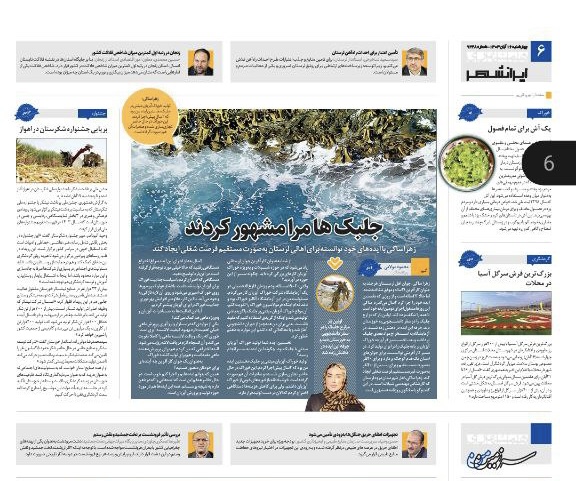
    Algae Made Me Famous

    Zahra Saki, with her ideas, has directly created job opportunities for the people of Lorestan.

    Mahmoud Molaei – Journalist

    Zahra Saki, a young woman from Lorestan, is known as a successful 21-year-old entrepreneur, though she is now 23, and it has been two years since she implemented her first idea. These days, Saki is working on her second idea to surprise everyone. The spark for this idea ignited when she first saw algae farms during a student trip to Khuzestan. In the laboratory, she extracted nutrients from algae and subsequently produced the first algae-based aquafeed product in Iran. On her entrepreneurial journey, she managed to take a small step for the youth of the province, creating direct employment for 40 people and indirect opportunities for more than 200.

    Zahra Saki, from Doroud County in Lorestan, who holds a degree in Fisheries Engineering, responds to questions from Hamshahri Newspaper in this interview.

    You are known as a young entrepreneur from Lorestan who has made significant achievements in the fisheries sector, especially in aquafeed. How did you enter this field?

    When I was 19-20 years old and about to graduate, I worked in a laboratory of an aquafeed company. My responsibility was feed analysis, and my concern was to improve feed formulation. At that time, algae-based aquafeeds were produced with grading, and the goal was to use a grade that was beneficial. So everything started during my university days, and through my studies, these ideas came to mind.

    Your first idea was to produce algae-based aquafeed. How did this idea come to fruition?

    Producing algae-based aquafeed was my first idea, which I implemented two years ago. This feed is now commercialized and has even been exported. Fortunately, I received good feedback on the aquafeed, but to reduce costs, I invented a device that is now in production.

    Two years after implementing this idea, you invented a device that has gained much attention. Could you explain?

    The device I invented was designed to enhance the attractiveness of the feed for aquatic animals. It sprays a thin layer onto the feed using air pressure and compressors. This not only increases efficiency but also makes the feed more appealing to aquatic animals.

    Do these activities also help with the export of aquatic animals, especially fish?

    One important factor in the market and foreign exchange earnings from fish farming is improving the quality of fish carcasses, strengthening their color and texture, and achieving the necessary firmness in the flesh. My invention benefits both fish farmers and feed producers.

    As a young entrepreneur, what future do you envision for yourself?

    Just being able to implement my ideas is enough for me. Currently, my goal is to bring the ideas I have in mind to fruition, all of which are related to the production and farming of aquatic animals.